Hotel Price Parity Explained: Why Booking Direct Is Finally Worth Comparing
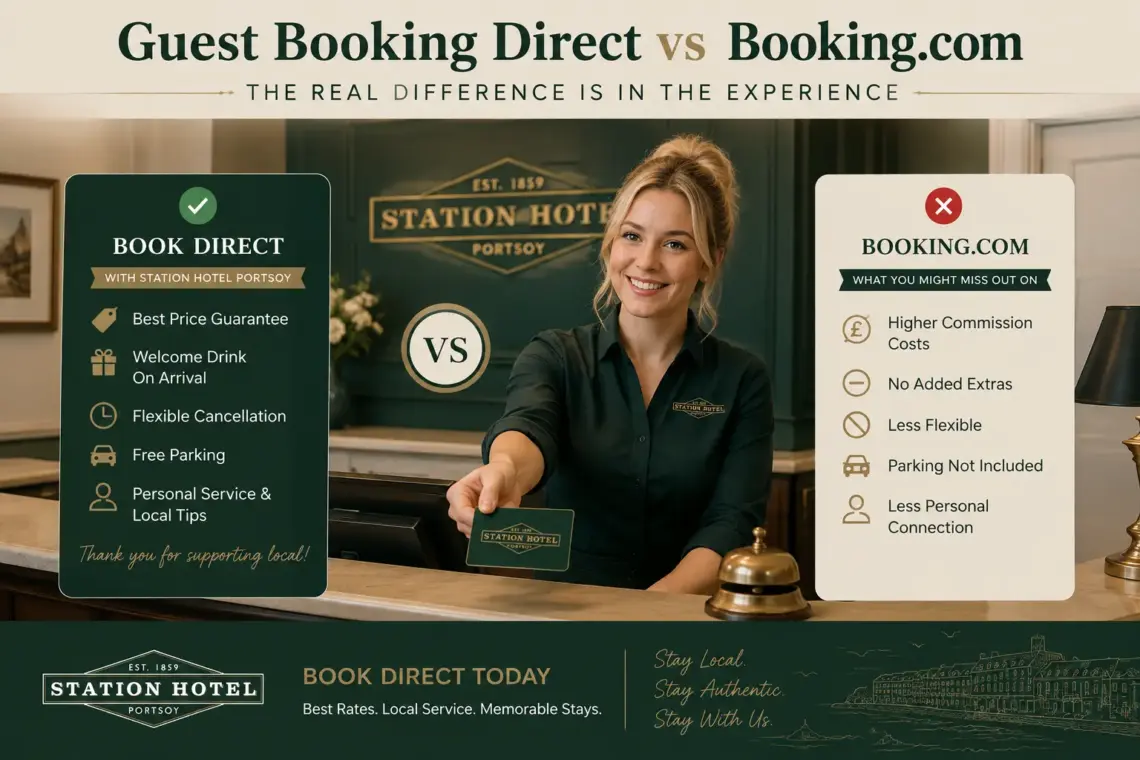
If you’ve ever opened Booking.com, then opened the hotel’s own website in another tab, then wondered if you’re actually comparing anything at all — you’re not imagining it. For years, a rule called hotel price parity kept the two prices identical by design, not by coincidence. Hotels weren’t always free to offer you a better rate on their own site, even when they wanted to. That’s changed. Here’s what hotel price parity actually meant, what’s different now, and what it means for you the next time you book. What Is Hotel Price Parity? Contracts between hotels and platforms like Booking.com used to include a price parity clause. In plain terms: a hotel couldn’t advertise a lower rate on its own website than the rate showing on the OTA — even if it wanted to reward guests who booked direct with a better deal. The platforms wrote these clauses to protect themselves. If every hotel’s direct price matched the OTA price under price parity rules, guests had no reason to bypass the platform, no matter how much commission it charged. For you as a guest, the effect was simple and frustrating: comparing prices felt thorough, but it rarely changed anything. You’d tab-hop between five sites and land on the same number every time. What Changed In September 2024, the European Court of Justice ruled that price parity clauses breach EU competition law — the court found they weren’t actually necessary for the platforms to operate. Booking.com dropped the clauses across the EU and EEA soon after. Hotel associations from more than two dozen European countries have since pushed further legal action over the practice, and the ruling kicked off a much bigger industry conversation about how much control an OTA should have over a hotel’s own pricing. In the UK, it’s a bit less clear-cut. The Competition and Markets Authority has scrutinised wide-ranging parity restrictions for several years, but courts keep testing and arguing over the exact legal position. We’re not lawyers, so we won’t claim more certainty than actually exists — but the direction is obvious: hotels are gaining more room to set their own direct prices, rather than staying locked to whatever the OTA lists. What the End of Price Parity Means for You Then vs Now: Price Parity vs a Free Market Under Price Parity Rules Now Hotel’s own website rate Had to match or beat the OTA rate — never undercut it Free to be the hotel’s genuine best rate Direct-booking incentives Limited mostly to perks, rarely the price itself Can include the rate itself What comparing prices told you Not much — parity rules kept the numbers matching A real comparison, worth doing Who benefited most from the old rules The OTA You, and the hotel Our Take We’d rather make this simple for you: no fine print, no rate-matching claims to chase, just a straightforward price on our own site, free from the old price parity constraints. If you’re weighing us up against an OTA listing, book direct with us here and see our current rates before you book elsewhere — and if you’ve got a question about what’s included, just ask us directly. It’s usually quicker than reading the small print on a platform. For more on the practical side of booking direct, have a look at our earlier posts on Book Direct vs Booking.com and Hotel Cancellation Policies Explained. Frequently Asked Questions What is hotel price parity? Hotel price parity refers to contract terms that used to stop hotels advertising a lower rate on their own website than the rate an online travel agency such as Booking.com listed. Are hotel direct rates cheaper now than a few years ago? Many hotels have more freedom to offer competitive or better rates directly, following regulatory changes to price parity rules in the EU and increased scrutiny of similar practices in the UK. It’s worth checking a hotel’s own website rather than assuming prices match everywhere. Does hotel price parity still affect UK hotels? Regulators in the UK have kept parity practices under ongoing review, and the position isn’t identical to the EU’s. Even so, the wider industry trend is toward hotels having more control over their own direct pricing. Why would a hotel want me to book direct rather than through an OTA? Booking direct means the hotel isn’t paying a third-party commission on your stay, which gives it more room to offer a better rate, better service, or direct answers to your questions.
-
 by admin
- August 31, 2026
- Booking Tips