Often referred to as Castle Country, the historic North East of Scotland is home to around a thousand castles and castle ruins – from gruesome tales of battles fought to strolls through romantic family estates.
Coming in all shapes and sizes, each castle holds a different story to tell. Let your mind wander back through the centuries to imagine what might have taken place where you now stand, or get lost amongst beautiful walled gardens where, if you’re lucky, you might come across a traditional tearoom for a spot of delicious home baking.
Aberdeenshire is home to Scotland’s only Castle Trail – thirteen unique castles, ruins and stately homes. Simply follow the distinctive white-on-brown signs with the blue castle logo through the heart of Aberdeenshire. It couldn’t be a simpler day out.
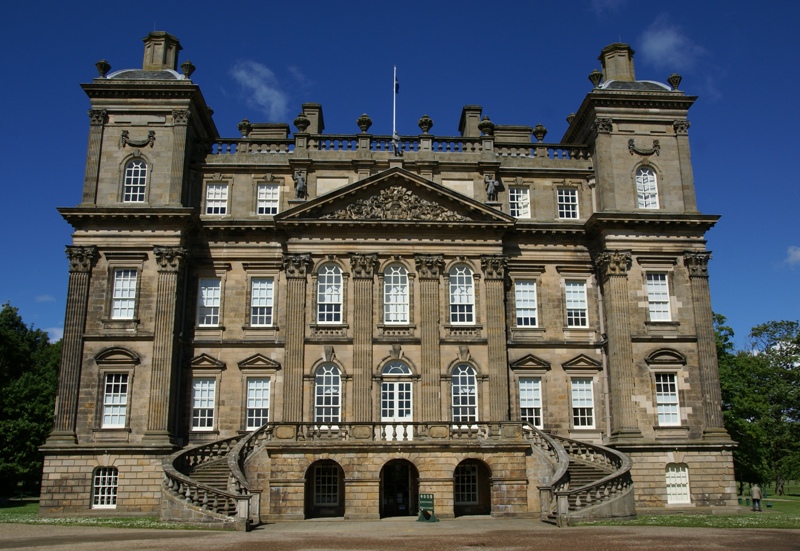
Duff House is a treasure house and cultural arts centre operated by a unique partnership of Historic Scotland, the National Galleries of Scotland and Aberdeenshire Council.
This magnificent early Georgian mansion was designed by William Adam in 1735 for Earl Fife, and is acknowledged to be his masterpiece.
As an outstation of the National Galleries of Scotland it houses a rich collection of paintings, furniture and works of art, including El Greco’s St Jerome in Penitence, J.G. Cuyp’s Dutch Family Group and three panels by François Boucher.
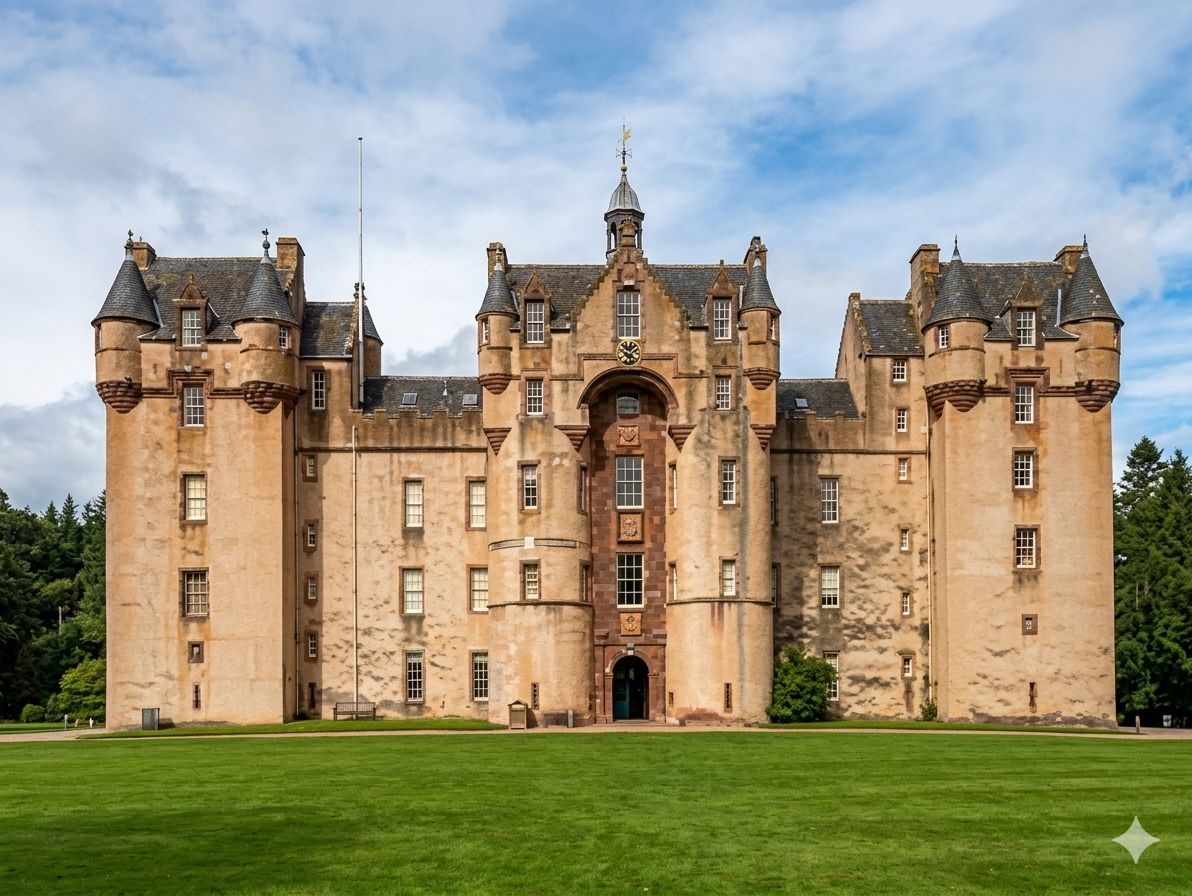
Fyvie Castle is one of Scotland’s great baronial fortress palaces, dating back to the 13th century when it was a royal stronghold. William the Lyon and Alexander II both held court here, and Edward I of England and Robert the Bruce were both visitors.
The richly decorated interior features 17th-century tapestries and paintings by Batoni, Raeburn, Romney, Gainsborough, Opie and Hoppner. Original panelling and plaster ceilings survive in the 17th-century Morning Room, and its great wheel staircase is considered the finest in Scotland.
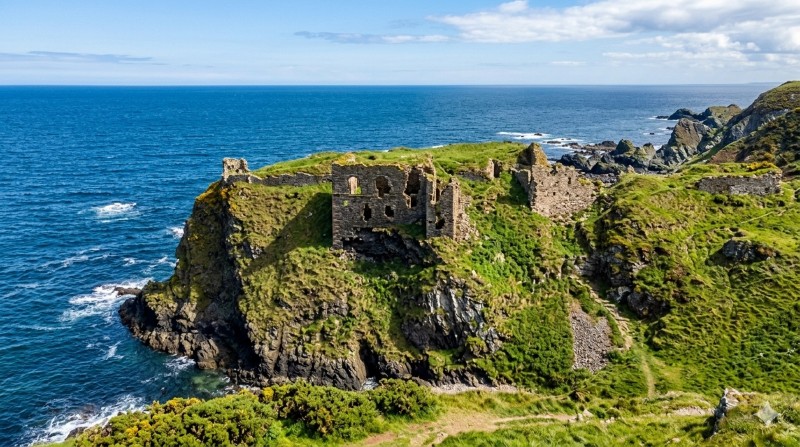
On the coast between Cullen and Sandend, the ruins of Findlater Castle sit perched precariously on an outcrop of rock above the sea.
There has been some form of fortification here since at least the 13th century. The Vikings took and held the castle for a time, and the remains you see today date from the 14th-century rebuilding by the Sinclairs, modelled on Roslin Castle – in one of the most dramatic and picturesque settings on the coast.
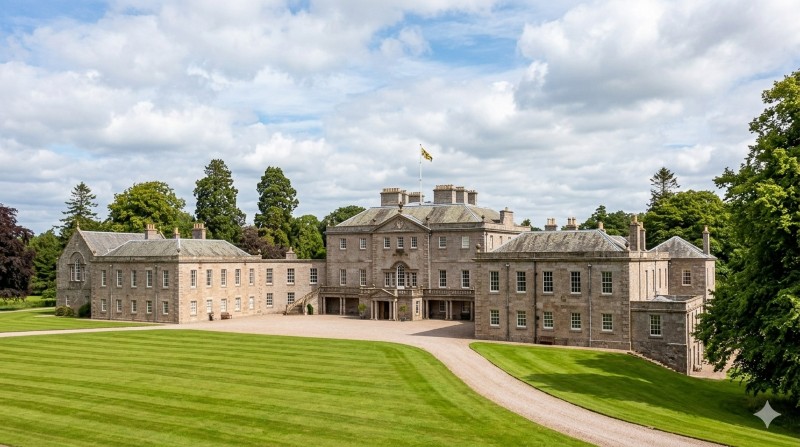
Haddo House is unusual for Aberdeenshire in that it is not a castle – yet it is one of the most beautiful stately homes open to the public in Scotland, set in elegant grounds that are perfect for an afternoon stroll.
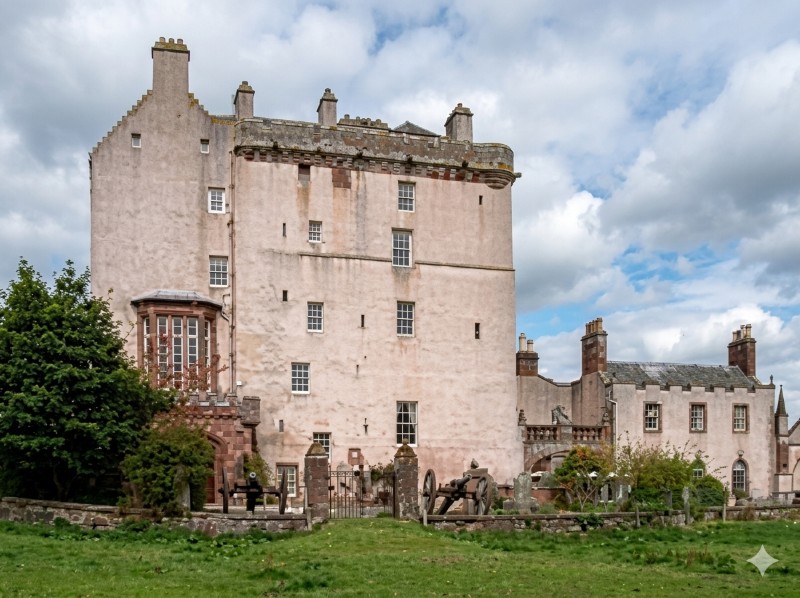
The main tower at Delgatie Castle largely dates from 1570, although it contains parts of an earlier structure.
Later extensions have changed its appearance, but there are fascinating features to discover inside. A wide turnpike stair built into the thickness of the wall leads to the floors above, where some rooms still feature their original 16th-century painted ceilings.
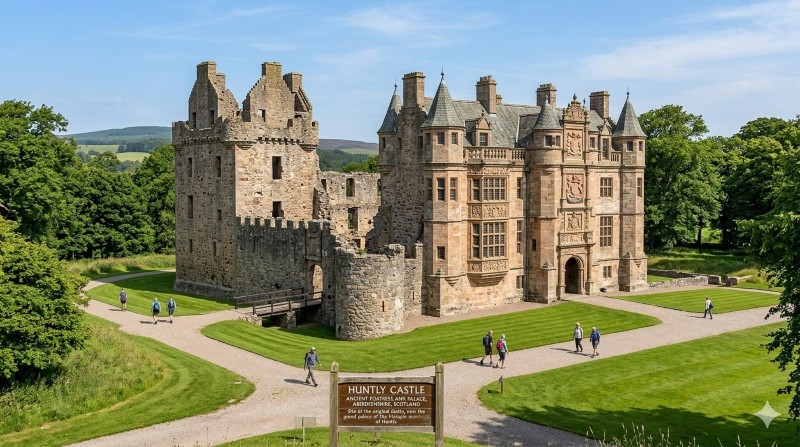
Also known as Strathbogie Castle, this glorious ruin stands on the banks of the River Deveron in a beautiful setting in Huntly.
It is a history lesson in itself – from the earliest Norman fortress to the palace of the 17th century. The remains of the 12th-century motte and bailey, a medieval L-plan tower and Civil War earthworks are all still visible, while the former Gordon stronghold’s splendid heraldic doorway and carved fireplaces are its most striking features.
Comfortable rooms, freshly prepared Scottish dining and genuine family-run hospitality – right in the heart of Portsoy, within easy reach of the Moray Coast’s castles, distilleries, wildlife and golf courses.